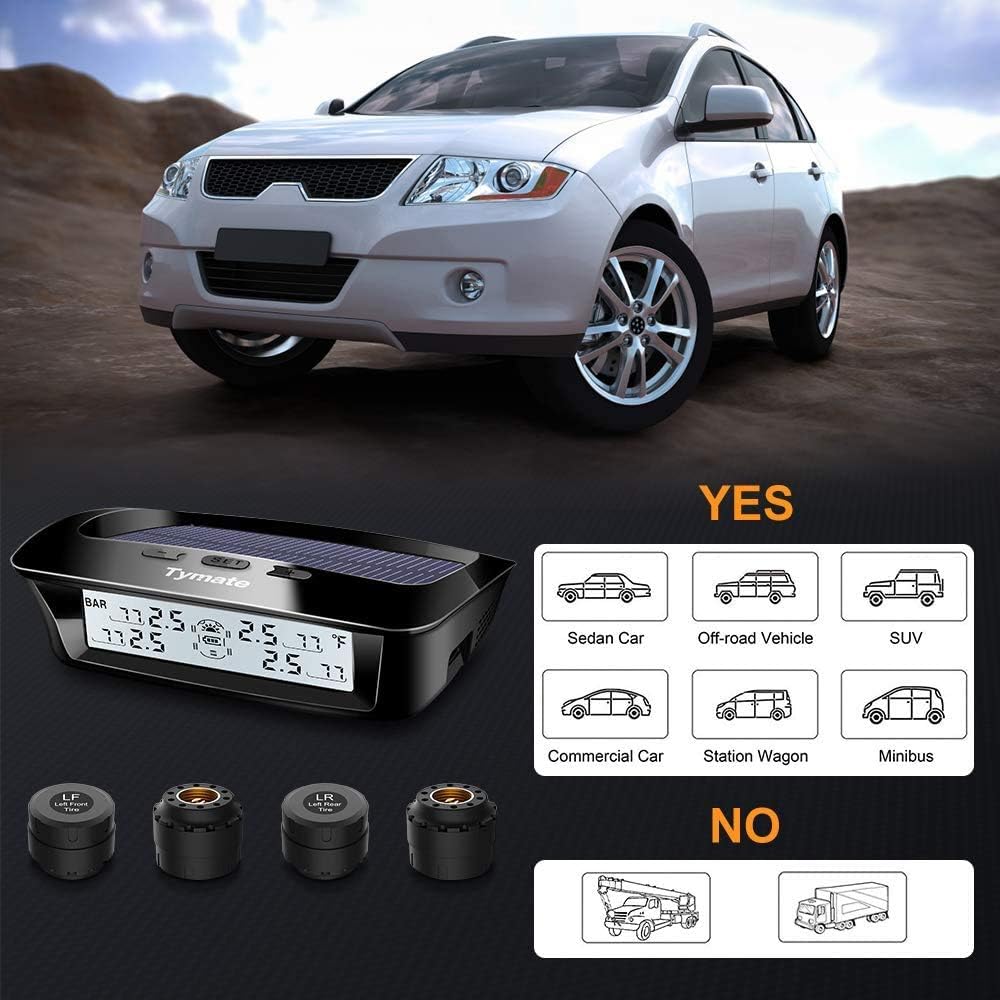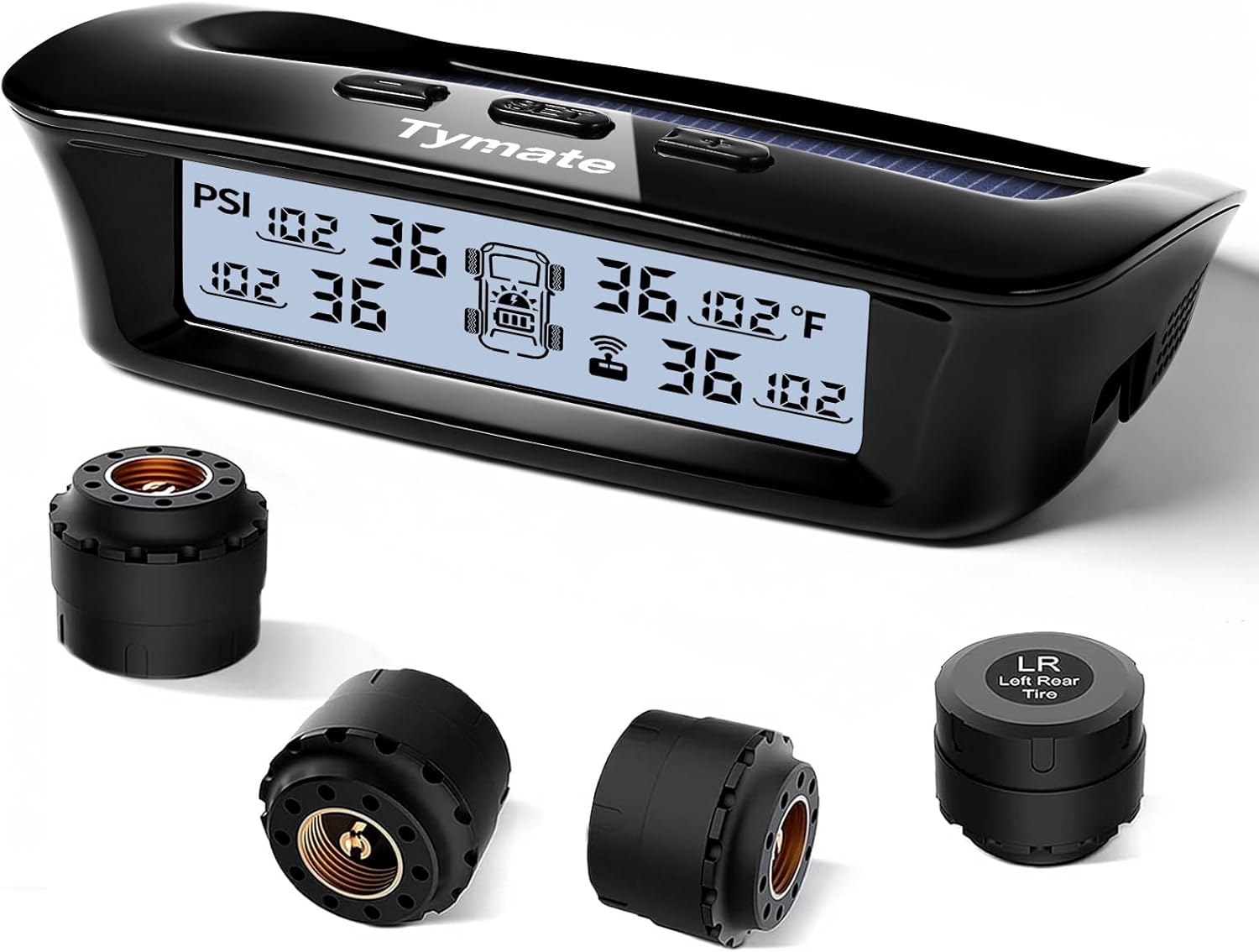
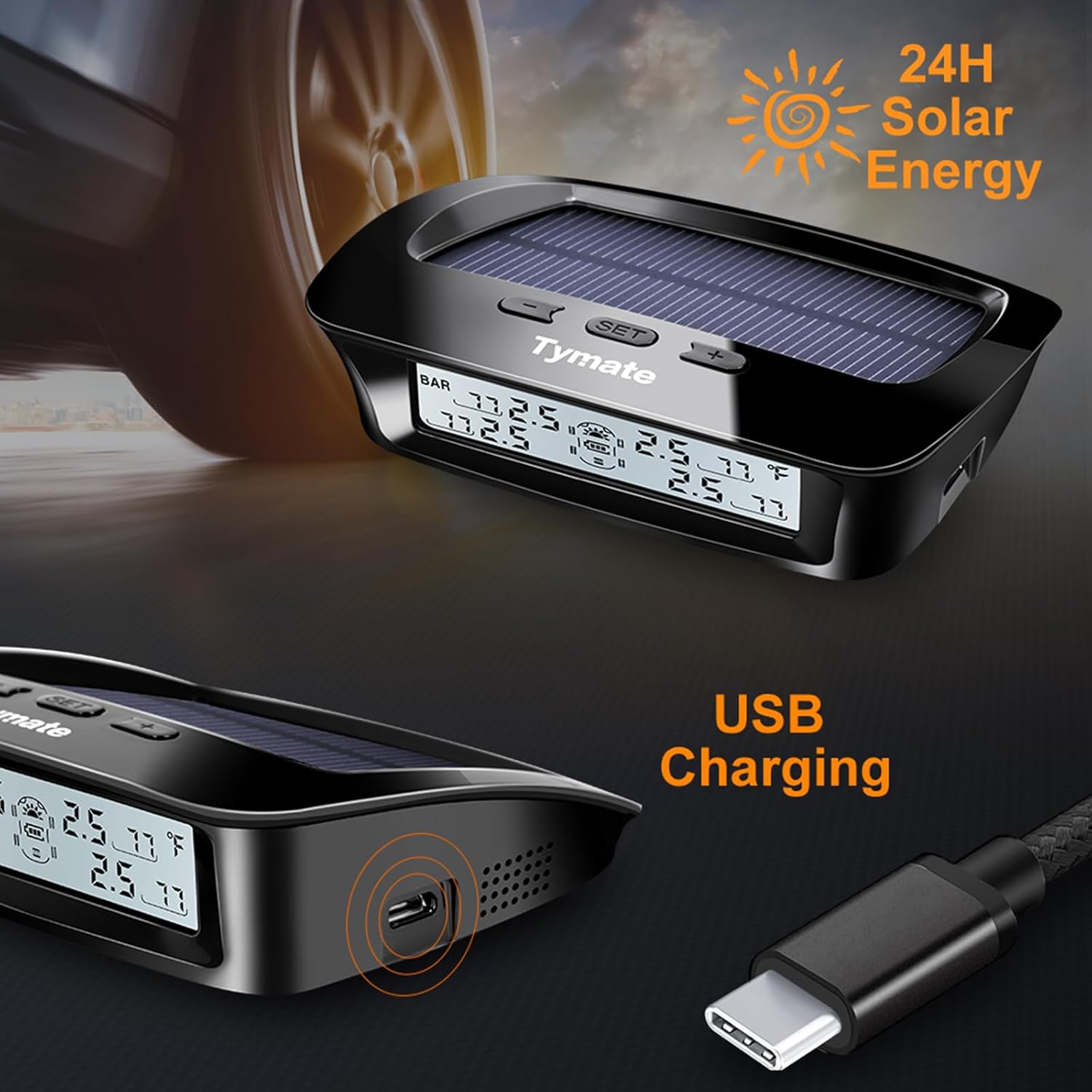
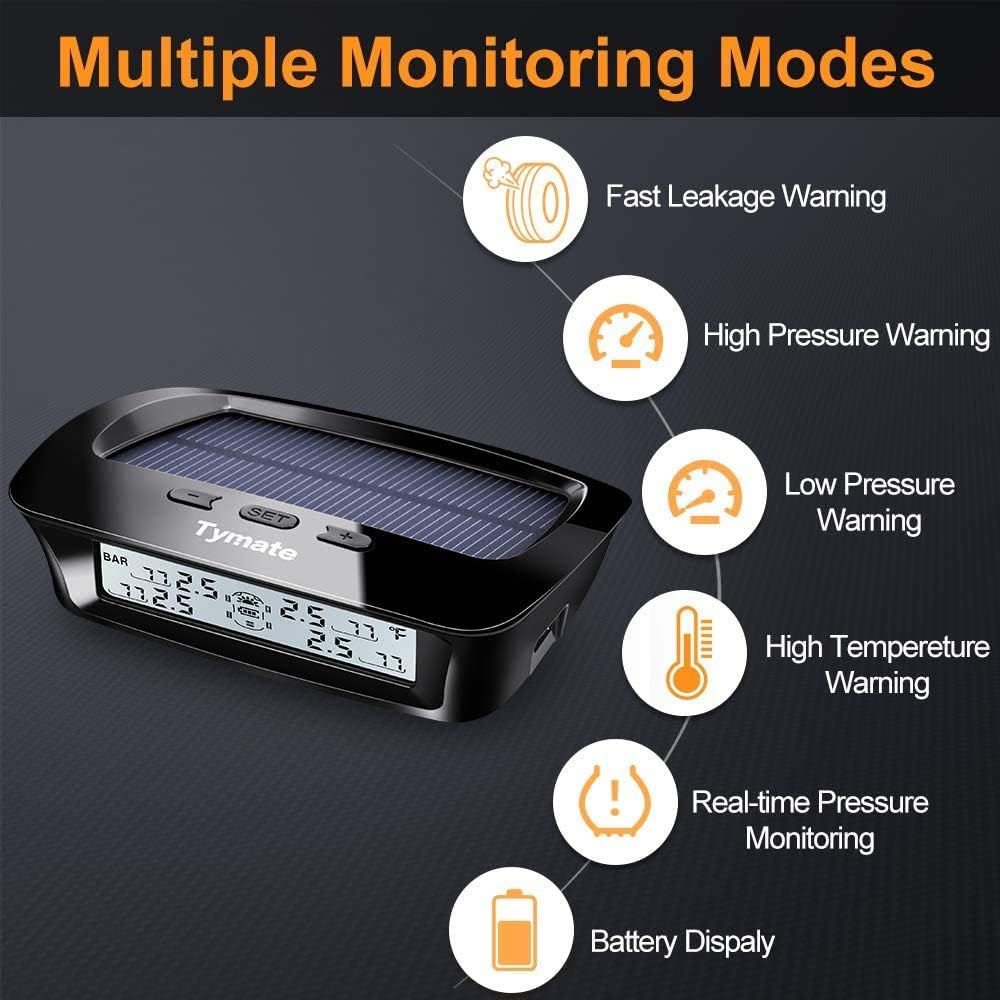
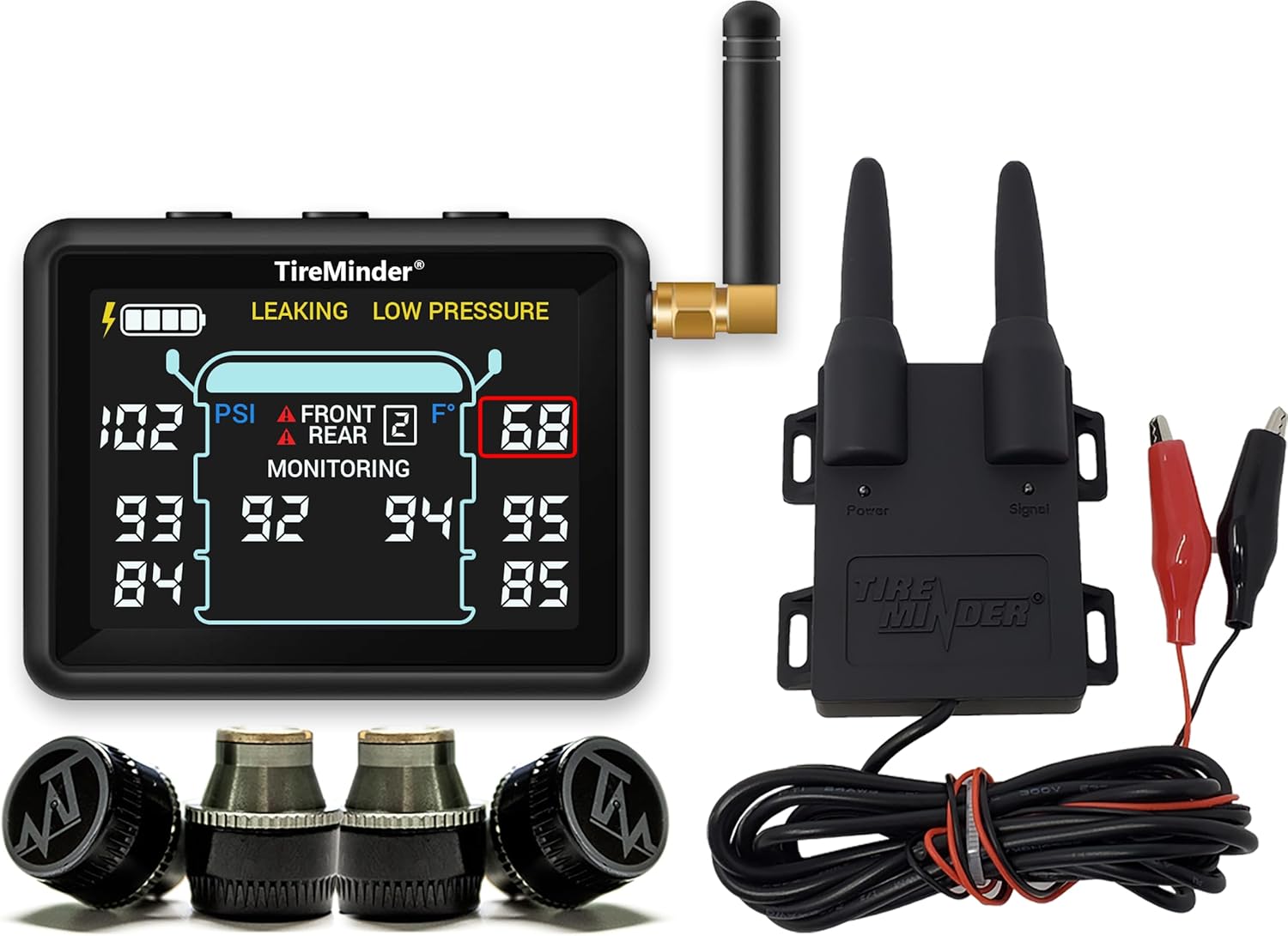
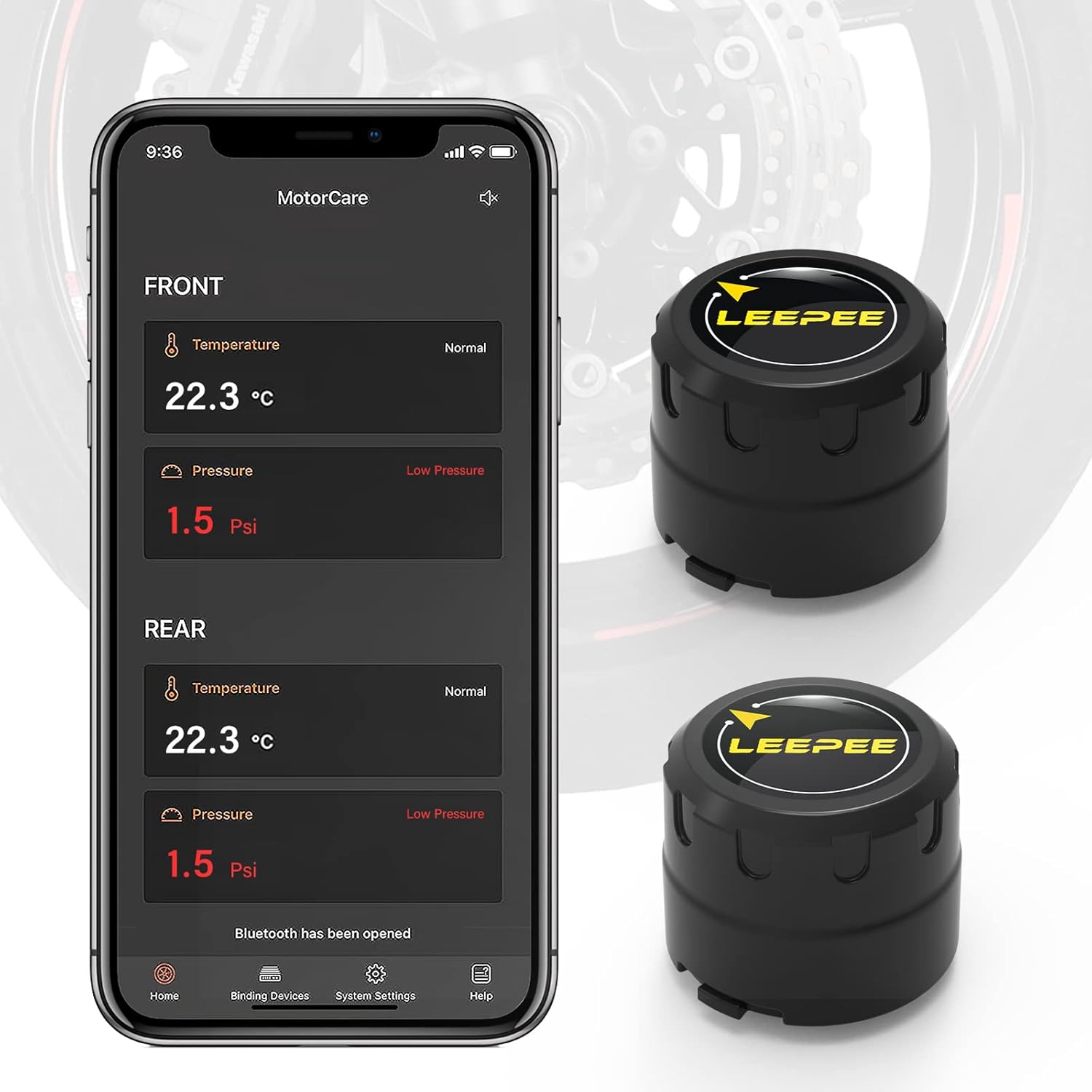
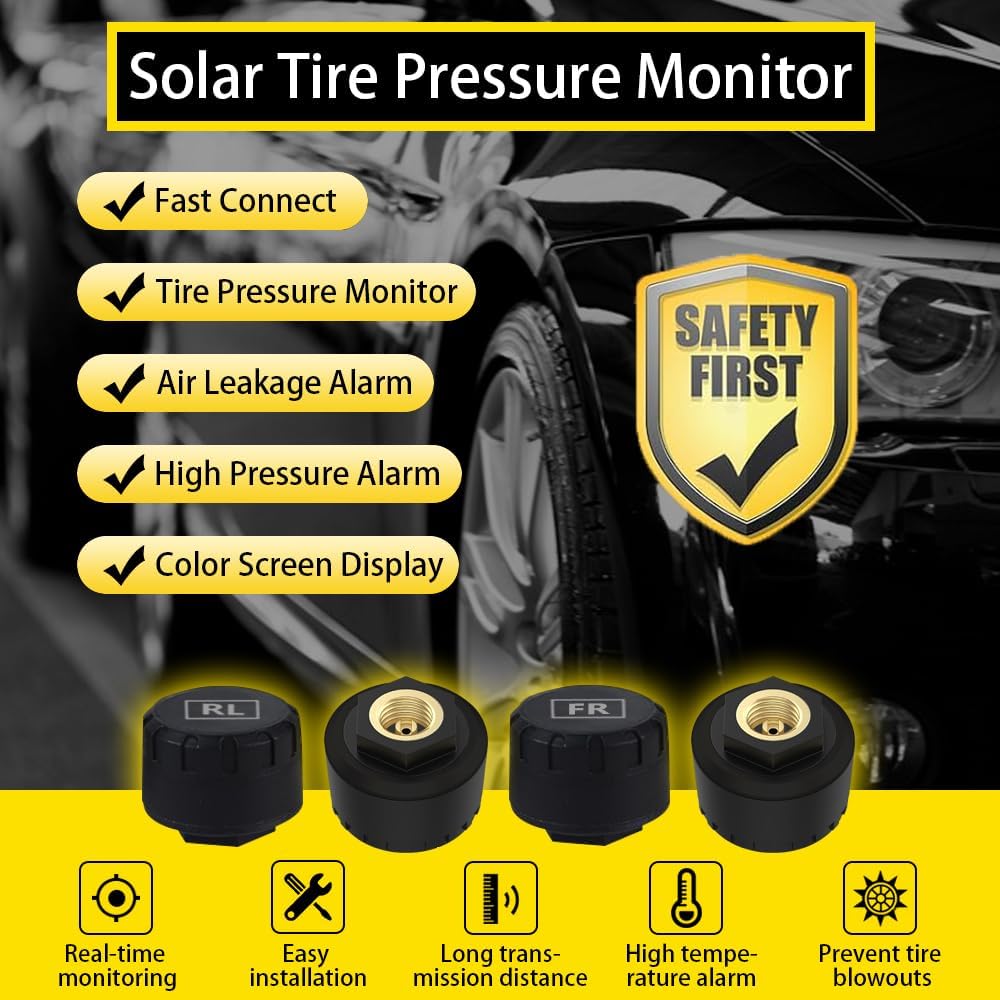
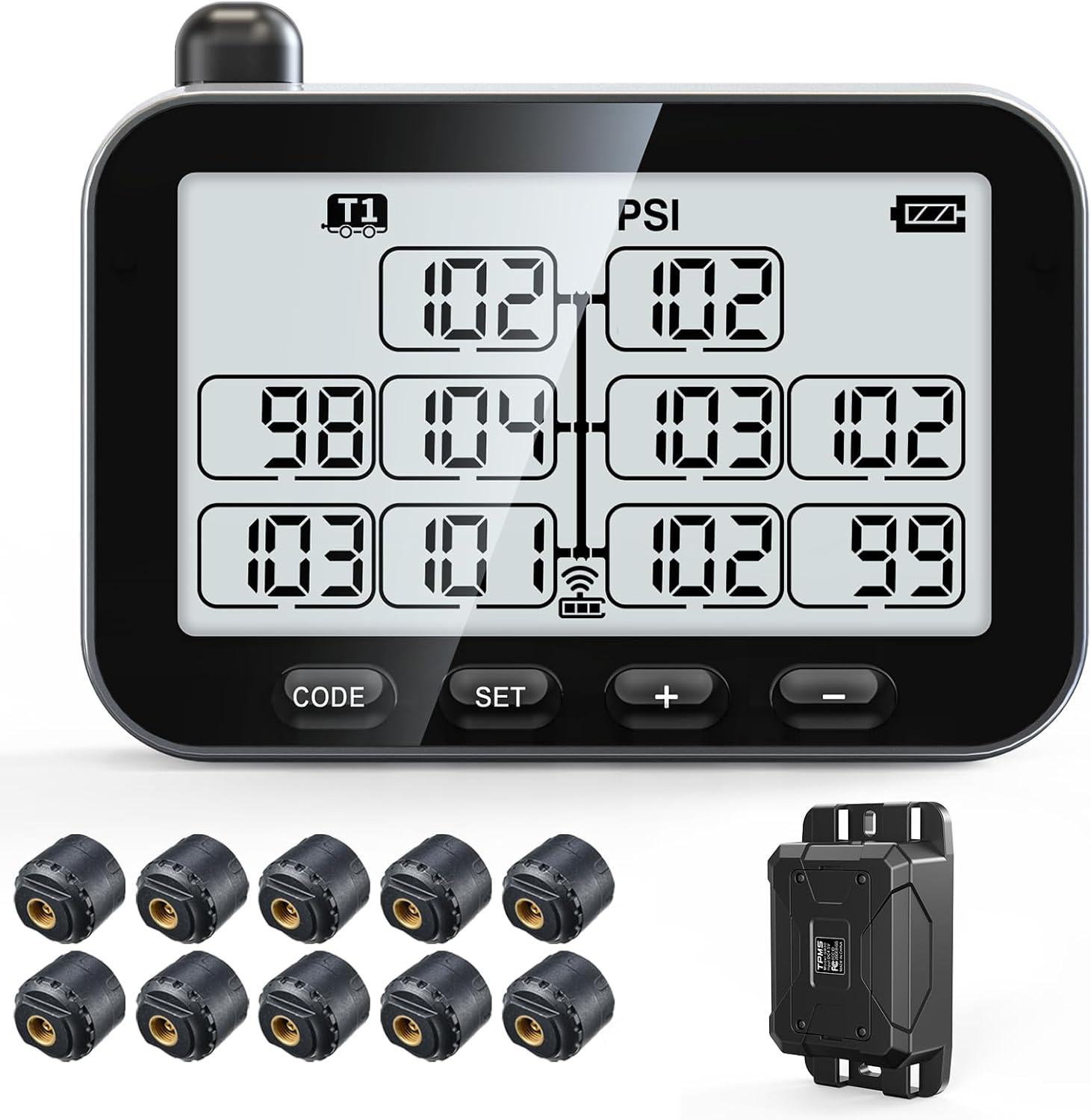
Tymate RV Tire Pressure Monitoring System – M12-3 Tire Pressure Monitor System (0-87 PSI) with Solar Charge, 5 Alarm Modes, Auto Sleep Mode, LCD Display, RV TPMS with 4 Sensors, Easy to Install
$ 25.82
Warranty policy
All products are backed by unlimited mileage and one (1) Year, Limited Warranty. Please read terms and conditions for full description.
Before fitting the new part, you MUST find the reason why turbocharger FAILED and CORRECT it. Fitting a new turbo will only result the same failure. Less than 10% of turbocharger failures, are due to the turbo itself, in most cases failures are caused by outside influence. Most common causes of consequential failure (NOT COVERED BY WARRANTY) are listed below. All new Kott Turbo Works products are backed by a one (1) Year Limited Warranty. The one (1) Year Limited Warranty covers all manufacturer defects. Warranty does not cover labor recovery, accommodation, or any other costs. Turbochargers must be returned for a detailed warranty inspection. Any modification to the product voids the one (1) Year Limited Warranty. The one (1) Year Limited Warranty does not cover :
- Failure to provide installation documents from repair facility. (Self/parking lot installs)
- Failure to perform and document scheduled maintenance on time.
- Seaping/leaking oil out of compression outlet, caused by excesive BLOW BY or clogged crankcase FILTER.
- Failures due to Improper installation or maintenance, restricted oil feed pipe, damaged oil pump, low oil level, metal particles or carbon present, faulty DPF filters and/or EGR valves, contaminated lubricant, oil starvation.
- Using liquid gasket or sealing compounds
- White deposit present on exhaust parts due to excessive engine oil burn.
- Over speeding, defective intercooler and or compression piping, stuck VGT, Remap
- Foreign object and physical damage, defective or dirty air filter and supply pipes.
Due to the intricacies involved in warranty process and the industry standard protocol regarding the inspection of parts and turnaround time, we will not offer free replacements prior to full inspection and analysis. To minimize potential downtime for our customers, we strongly recommend the purchase of replacement parts as a proactive measure. We kindly request your understanding in this matter.
Core return
Cores must be returned in undamaged shipping conditions, if damage occurs during shipping, due to poor packaging or other reasons we reserve the right to prorate or forfeit core refund at our discretion.
Cores must be returned within 60 days for full core refund and it has to meet all criteria, after that core refund will be at KTW discretion. Upon receiving your good core, we will issue a refund within a 1 week period. All cores are subject to inspection upon arrival. Any returned item with physical damage will result in denial of return credit or refund. The Following are examples of Turbos that will NOT be refunded:
- Turbochargers: Bent or broken anything except turbine shaft. Bent, broken or damaged housing.
- Core has to be sent with copy of purchase order, in order to know for which turbo we have to issue the refund, KTW won’t know who returned it, without proper documentation.
- Core must be like-for-like.
We provide free return shipping using a FREE FedEx return label to return the core back to us, from most of the locations in the US (excluding Alaska, Hawaii, and Puerto Rico).
Shipping and returns
We use FedEx ground for shipping, contact us for expedited service, or other special arrangements.
We usually ship the same day, unless item is out of stock due to local in store purchase, you can call/text us at 331-888-8726 to check availability and place 12 hours hold status on item.
If your order has shipped, the return and restocking fee is 20%. Customer must pay for return shipping. Shipping from when the product was sent out is not refunded as that cost has been spent and is unrecoverable. Returns are only allowed for 14 days from post marked day, after that only store credit can be allowed at our discretion, not guaranteed.
Installation tips
Most common misdiagnosis.
Oil leaks can be caused by a variety of factors, the main factor being incorrect pressure within the compressor and turbine housings, which is usually caused by:
- Blockages to the air intake filter and/or hoses.
- Excessive crank case pressure (blow-by from worn piston rings/bores)
- Blockages in the exhaust system
- Repeated hot engine shutdowns leading to carbon deposits (coke) in the centre housing
- Dirty crankcase filter
- Use of silicon sealant / incorrect gasket, twisted, bent or trapped oil return pipe
Most common turbocharger failure causes on semi trucks:
- Foreign object damage – Broken off engine components, e.g. valves (D13), fragments of damaged pistons or injector tips, EGR block off plates.
- Oil contamination – High carbon build up present in the engine can quickly contaminate new oil, contamination of new oil while servicing.
- Degrading oil – excessive temperatures or extended service intervals.
- Internal engine leaks – fuel or coolant mixing with oil supply.
- Turbocharger overspeeding – Engine modifications including ‘chipping’ or ‘over-fuelling, bad program installed if EGR/DPF delete was performed, worn injectors. Tear in the air hose or the hose becoming completely detached. Restrictions in the air intake filter or pipe work. Air leaks between compressor and engine.
- Lack of lubrication –
-
- Engine left idle for long periods, especially during cold weather
- Oil feed pipes containing bends or kinks
- Lack of maintenance, oil change intervals should be shortened as engine gets old.
- Insufficient oil in the sump
- Incorrect oil inlet gasket used leading to restriction in oil supply
- Build-up (coking) / carbon deposits in the oil feed pipe
- Applying silicone to the oil inlet gasket causing blockages
- Sludge or coke build up in bearing housing from hot shutdowns
- Failure to prime the turbo with oil before initial run
Related products
-
-
Select the fields to be shown. Others will be hidden. Drag and drop to rearrange the order.
- Image
- SKU
- Rating
- Price
- Stock
- Availability
- Add to cart
- Description
- Content
- Weight
- Dimensions
- Additional information
- Image
- SKU
- Rating
- Price
- Stock
- Availability
- Add to cart
- Description
- Content
- Weight
- Dimensions
- Additional information